At HibLab Solutions, we don’t just design labs: we build trust, share knowledge, and shape the future of science. Every project is unique, but our approach has one thing in common: a different way of doing things.
We firmly believe that the success of any project is born from mutual trust. From the first contact with the client, we work from proximity, transparency and active listening.
We understand that each laboratory is a sensitive and strategic environment, and therefore our involvement goes beyond design: we become allies of the client throughout the process.
Lab Planning: Specialization and Precision
One of our key tools is Lab Planning, a technical and highly specialized approach that allows us to analyse the functional, operational and safety needs of each laboratory space.
This method goes far beyond simple architectural design. Lab Planning takes into account all critical elements: workflows, regulations, equipment, ergonomics, sustainability and flexibility for the future.
Its main advantage is clear: it allows you to anticipate problems before they exist and make informed decisions from the first phases of the project.
Holistic view of space
We do not treat laboratories as watertight compartments. We take a holistic view, where each area, from technical areas to common or support spaces, is conceived as part of an interconnected ecosystem.
This approach allows us to optimize not only laboratory performance, but also staff well-being, energy efficiency, and long-term adaptability.
We think of the laboratory as a living organism that must evolve with the needs of science.
Realistic Visualization: From Concept to Experience
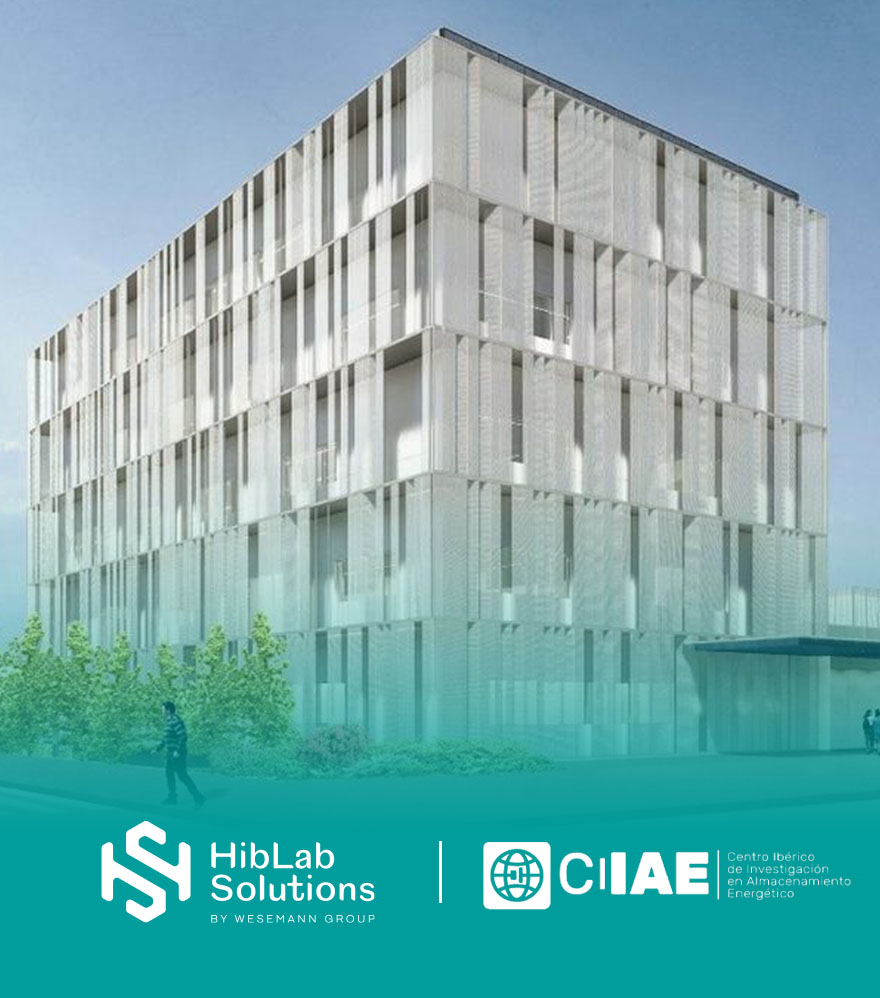
One of the great strengths of our work is advanced rendering and the generation of immersive videos that visualize spaces as they will be in reality.
This not only excites customers, but allows them to understand, validate and improve the project before it begins its execution.
These digital compositions provide multiple advantages:
- They facilitate decision-making with greater security.
- They foster consensus among different technical teams.
- They allow you to detect possible adjustments before it is too late.
- They generate enthusiasm and commitment to the final project.